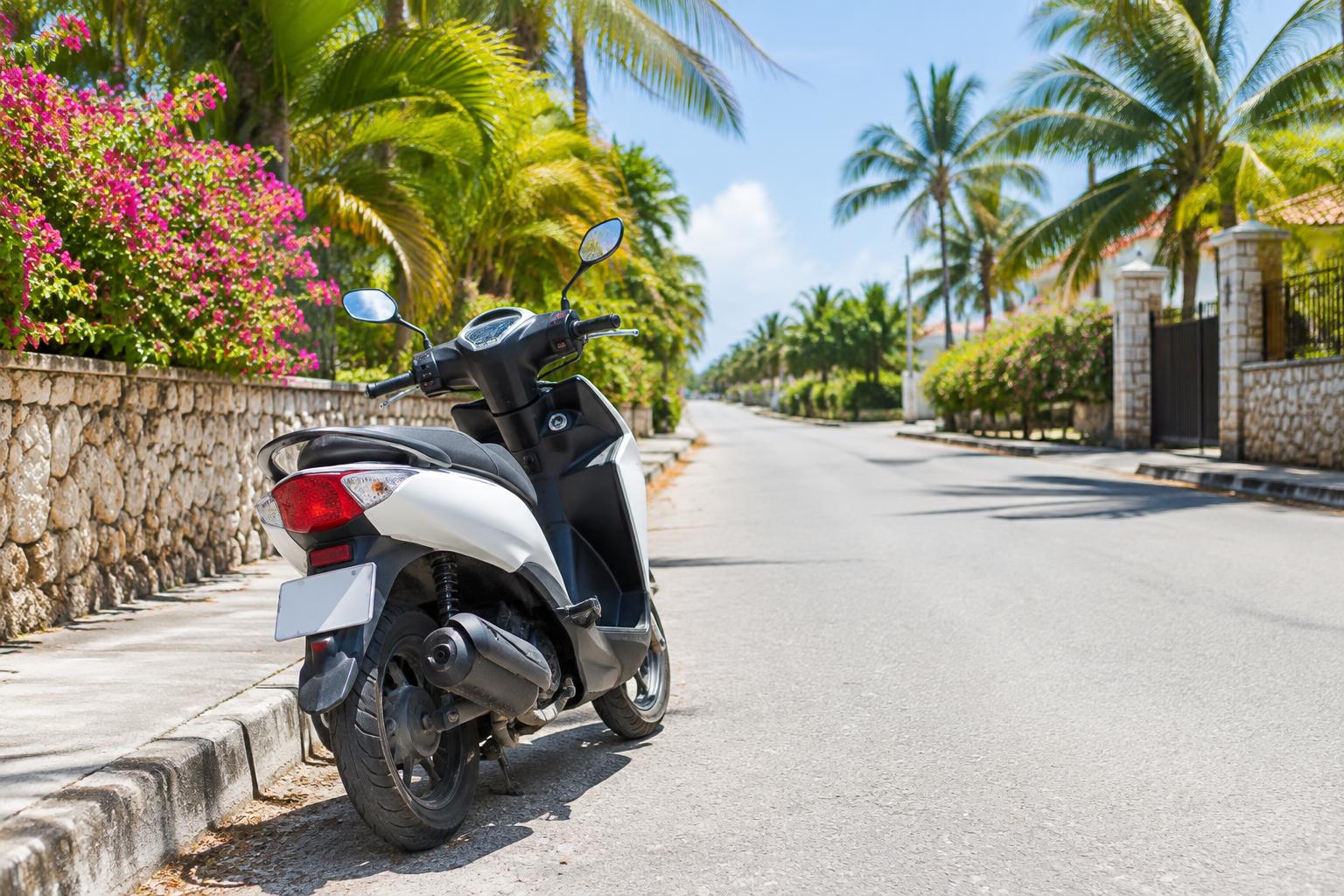
1. Take Photos and Video Before You Ride
Always take pictures and video of the scooter before you leave the shop. This is how you document any damage that was already there before your rental.
Walk around the vehicle and record every side, including scratches, dents, and anything that looks worn.
Check the brakes, tires, lights, horn, mirrors, and fuel level.
Ask for a copy of the rental agreement and read what it says about damage, theft, and late returns.
If something does not feel right, ask for a different vehicle or go somewhere else.
2. Leave a Cash Deposit, Not Your Passport
Some places ask you to leave your passport as a deposit. I advise leaving a cash deposit instead.
Your passport is one of the most important things you carry. If a shop loses it, you have a serious problem. And when you return the vehicle, some shops may come up with ridiculous fees and refuse to give your passport back until you pay.
Ask whether a cash deposit or a copy of your passport is accepted instead.
If you do leave anything, get a written receipt that says exactly what was left.
3. Wear the Right Shoes
This is something I learned firsthand. In Thailand it is so easy to want to wear flip-flops everywhere you go.
Unfortunately, I had a motorbike crash while I was wearing flip-flops. My feet got scraped up pretty badly, and I needed to go to the hospital for treatment.
Fortunately, I healed from my injuries, but it was a good reminder that the right shoes matter.
Wear closed shoes whenever you ride, and long layers can also help protect your skin if you fall.
4. Wear a Helmet and Ride Within Your Experience
Always wear a properly fitted helmet.
If you have never ridden a scooter, a busy road in a new country is not the best place to learn.
Traffic habits can be very different from home. Take your time, avoid riding at night if you can, and slow down in rain.
5. Check Whether You Are Allowed to Drive There
Rules for foreign drivers are different in every country. Some places accept your home license, some ask for an international driving permit, and some have separate rules for scooters and motorcycles.
Check official sources for your destination before you go, such as the local government or your own country's travel guidance.
Do not assume a rental shop will check this for you. A shop may rent you a vehicle even if you are not legally allowed to ride it.
Make sure your license covers the type of vehicle you plan to rent.
6. Check Your Insurance Coverage
Many travel insurance policies and credit card benefits do not cover scooters or motorcycles, or only cover them under certain conditions.
Read the policy wording before you go, or contact the provider and ask directly.
Ask what happens if the vehicle is damaged, stolen, or involved in an accident, and whether medical care is covered.
If you are not covered, think carefully about whether renting is worth the risk.
7. Plan Your Route and Keep Your Phone Ready
Download offline maps before you leave, and check that you have mobile data in case you need it.
A charged phone makes navigation much easier and safer than stopping to check directions.
Keep your phone, rental agreement, and a copy of your license somewhere you can reach them quickly.
Data and battery matter when you are navigating. An eSIM such as Airalo is one I have used, and a compact portable charger is worth considering.

Airalo
Land with mobile data already working.
INIU 10,000mAh 45W Fast Charging Portable Charger
Why It's Worth Considering
Its compact size is the main appeal. Extra battery power is useful on travel days, and this one is small enough to fit in a backpack, carry-on, or even a pocket without adding bulk. Power banks usually must go in your carry-on, so check your airline's current battery rules.
Key Benefits
- Compact design that is easy to carry.
- 45W fast charging for compatible devices.
- 10,000mAh capacity for extra power while traveling.
- Convenient for airports, sightseeing, and long travel days.
Best for: Travelers who want backup battery power without carrying extra bulk.
8. Know the Fuel, Parking, and Return Rules
Ask what type of fuel the vehicle needs and where the nearest station is.
Park in places that are clearly allowed, and lock the vehicle whenever you leave it.
Confirm the return time and place before you leave, so you are not charged extra or left without a way back.
9. Have a Backup Plan
Sometimes the best choice is not to drive. Weather, tiredness, or an unfamiliar road can change your mind.
Know how you would get back without the vehicle, whether by taxi, bus, or train.
If you would rather not drive, 12Go Asia is one I use often to book buses, trains, and ferries in Asia.

12Go Asia
Compare and book trains, buses, ferries, and flights across Asia in one place.
A Quick Checklist Before You Rent
- Take photos and video of the vehicle on every side.
- Leave a cash deposit, not your passport.
- Wear closed shoes, not flip-flops.
- Wear a helmet.
- Check that you are allowed to drive the vehicle type there.
- Check your insurance coverage.
- Check brakes, tires, lights, and fuel.
- Download offline maps.
- Know your backup plan.

Squaremouth
Compare travel insurance plans from many providers side by side, then buy the one that fits your trip.
Affiliate link. General information, not insurance advice.
Take a Few Minutes Before You Ride
Renting a vehicle abroad can make a trip more fun and more flexible. A few minutes of checking before you go can save you from a much bigger problem later.
If something does not feel right, it is okay to walk away and choose another option.
This guide is based on my own experience, listings, and research. I have not tested products unless I say so. Rules and insurance vary by country and provider, so check with official sources and your provider.
You might also like
How to Stay Connected Abroad: eSIM, Local SIM, or Roaming
Compare roaming, local SIM cards, and travel eSIMs, and learn how to choose and set up the right option before your trip.
Read the guide
How to Stay Safe on Public WiFi While Traveling
Simple habits to help protect your accounts on airport, hotel, and cafe WiFi, from encrypted websites to safer charging.
Read the guide
How to Handle Money While Traveling Abroad
Practical ways to avoid extra fees abroad, from foreign transaction fees and ATMs to paying in the local currency.
Read the guide