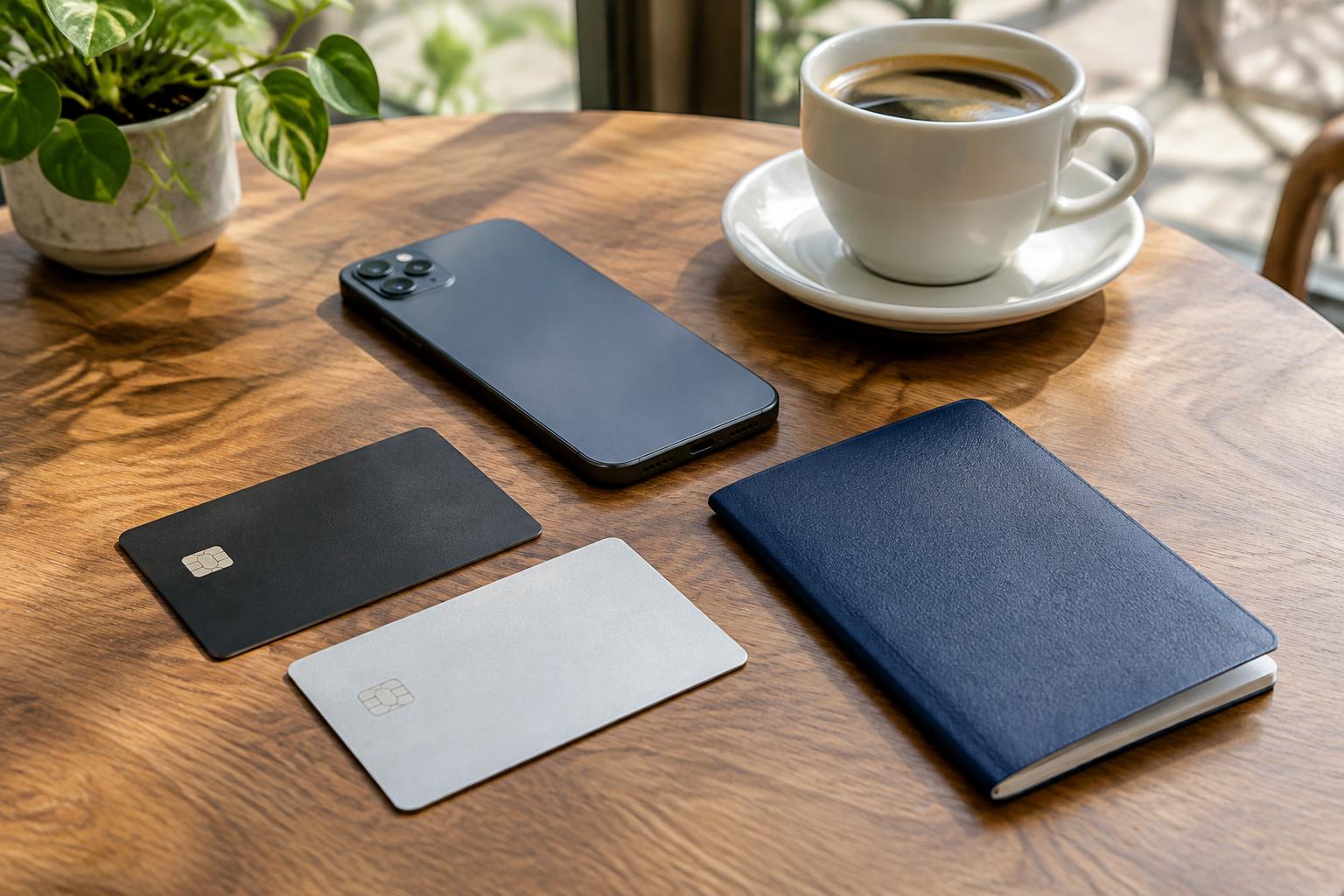
My Credit Card Experience in Thailand
I was in Thailand when I stopped at a gas station to fill up my vehicle. When it came time to pay, I handed my credit card to the attendant, which is common at many gas stations there.
The attendant took my card away to process the payment and returned it a short time later. Nothing seemed unusual, and I continued on my way.
About 30 minutes after leaving the gas station, I received a phone call from my credit card company. They told me my card number had surfaced elsewhere and appeared to have been copied or circulated, with information reportedly associated with the dark web.
I cannot say for certain that the gas station was responsible. However, it was the last place I had physically handed my credit card to someone else.
The credit card company canceled my original card to protect my account.
Fortunately, I had brought another credit card with me. That backup card made all the difference because I could still access money and continue my trip.
Imagine having your only credit card canceled while you are overseas. Getting a replacement delivered to another country can be difficult, and you could be left waiting days or longer without access to that account.
It was an experience that changed how I handle my credit cards when traveling.
A Simple Precaution I Take to Protect My Card Information
One thing I started doing after that experience was placing a small sticker over the printed card numbers on my credit cards.
The idea is simple. If I have to hand my physical card to someone to process a payment, the sticker makes it harder for someone to quickly photograph the printed numbers.
This is not a guarantee against credit card fraud, but it is an additional precaution that takes very little effort.
If you decide to do this, make sure the sticker does not cover the chip, magnetic stripe, or contactless payment area. Your card still needs to work normally.
It is a small step, but I would rather take a few extra precautions than make it easy for someone to capture my card information.
8 Ways to Protect Your Credit Cards While Traveling
Beyond covering the printed numbers, there are several other things you can do before and during your trip to reduce the risk of credit card problems.
1. Keep Your Credit Card in Sight
Whenever possible, avoid letting your credit card out of your sight.
At restaurants, gas stations, hotels, and other businesses, pay attention to how your card is being handled.
If someone needs to take your card somewhere else to process a payment, consider asking whether they can bring the payment terminal to you instead.
In some countries, it is normal for employees to handle your card, but that does not mean you should stop paying attention.
The less time your card spends out of your possession, the better.
2. Always Travel With a Backup Credit Card
This is probably the biggest lesson I learned from my experience in Thailand.
Never depend on just one credit card when traveling internationally.
Your card could be lost, stolen, compromised, declined, or canceled by your bank because of suspicious activity.
I recommend bringing at least two credit cards, preferably from different banks or card issuers.
Just as importantly, keep them in separate locations. Carry one in your wallet and store the other somewhere secure.
If something happens to your primary card, you will still have another way to pay for hotels, transportation, meals, and other expenses.
Some travelers also like having a travel money card as one more backup. Wise is one option I have used.

Wise
Send, spend, and hold money abroad at the real exchange rate.
New users get a free Wise card when they sign up through this link. Terms depend on your country.
3. Use Apple Pay or Other Mobile Payment Options
Whenever a business accepts Apple Pay or another trusted mobile payment service, consider using it.
With Apple Pay, your actual credit card number is not shared with the merchant during the transaction. Instead, a device specific account number and a unique transaction code are used.
This provides an additional layer of protection compared with handing over your physical card.
Of course, mobile payments are not accepted everywhere, especially in smaller businesses and some destinations overseas. I still recommend carrying physical credit cards as a backup.
4. Turn On Credit Card Transaction Alerts
Before leaving home, check your credit card company's mobile application and turn on purchase notifications.
Many banks allow you to receive an alert whenever a transaction is made with your card.
These notifications can help you recognize suspicious activity quickly. If you receive an alert for a purchase you did not make, contact your credit card company immediately.
I also recommend checking your accounts regularly while traveling. Do not wait until you get home to discover something is wrong.
Alerts only help if your phone stays on. A compact portable charger is worth considering so your banking app is always within reach.
INIU 10,000mAh 45W Fast Charging Portable Charger
Why It's Worth Considering
Its compact size is the main appeal. Extra battery power is useful on travel days, and this one is small enough to fit in a backpack, carry-on, or even a pocket without adding bulk. Power banks usually must go in your carry-on, so check your airline's current battery rules.
Key Benefits
- Compact design that is easy to carry.
- 45W fast charging for compatible devices.
- 10,000mAh capacity for extra power while traveling.
- Convenient for airports, sightseeing, and long travel days.
Best for: Travelers who want backup battery power without carrying extra bulk.
5. Know How to Lock Your Credit Card
Many credit card companies allow you to temporarily lock your card through their mobile applications.
If you misplace your card or notice suspicious activity, you may be able to lock it immediately while you investigate.
Find this feature before your trip and understand how it works.
You do not want to be trying to figure out how to lock your card while standing in another country dealing with a potential fraud issue.
6. Be Careful When Using ATMs
ATMs are another place where credit or debit card information can be compromised.
Whenever possible, use ATMs located inside established banks rather than standalone machines in busy tourist areas or unfamiliar locations.
Before inserting your card, look for anything unusual around the card slot or keypad. Avoid machines that appear damaged or have loose attachments.
Always cover the keypad when entering your PIN, even if nobody appears to be watching.
If an ATM behaves unusually or keeps your card, contact the bank or ATM operator using an official phone number.
7. Be Careful Using Public WiFi
When traveling, you will probably connect to hotel WiFi, airport networks, restaurants, and other public connections.
Avoid accessing sensitive financial accounts on unfamiliar networks whenever possible. Using your mobile data connection is often a better option.
A reputable VPN can also help protect your internet connection, particularly when using public WiFi. However, a VPN does not make every network safe or protect you from every type of online fraud.
Be cautious of unexpected messages, emails, and websites asking you to enter your credit card information. Always make sure you are using the legitimate website or mobile application for your bank.
A travel eSIM is an easy way to have mobile data when you land. Airalo is one I have used. A VPN such as NordVPN is worth considering if you often use public WiFi.

Airalo
Land with mobile data already working.

NordVPN
Protect your connection on public WiFi and keep your browsing more private.
8. Save Your Credit Card Company's International Phone Number
Before leaving home, save the international customer service number for every credit card you plan to bring.
Do not assume the regular customer service number will work when calling from another country.
You should also know how to contact your bank through its mobile application or official website if you cannot make a phone call.
Having this information ready can save valuable time if your card is lost, stolen, or compromised.
A Few Things to Do Before You Leave Home
Before your next international trip, take a few minutes to prepare your credit cards. Here is a quick checklist:
- Bring at least two credit cards.
- Keep your backup card separate from your primary card.
- Turn on transaction notifications.
- Learn how to lock your cards through your bank's application.
- Save international customer service numbers.
- Make sure you can access your banking applications while overseas.
- Consider using mobile payments whenever accepted.
- Check your account activity regularly.
These small steps can help prevent a minor inconvenience from turning into a major travel problem.
Travel products for this guide
INIU 10,000mAh 45W Fast Charging Portable Charger
Why It's Worth Considering
Its compact size is the main appeal. Extra battery power is useful on travel days, and this one is small enough to fit in a backpack, carry-on, or even a pocket without adding bulk. Power banks usually must go in your carry-on, so check your airline's current battery rules.
Key Benefits
- Compact design that is easy to carry.
- 45W fast charging for compatible devices.
- 10,000mAh capacity for extra power while traveling.
- Convenient for airports, sightseeing, and long travel days.
Best for: Travelers who want backup battery power without carrying extra bulk.
Don't Let a Credit Card Problem Interrupt Your Trip
Traveling internationally comes with enough unexpected situations. Having your credit card compromised should not be something that ruins your trip.
My experience in Thailand reminded me how quickly something like this can happen during an ordinary purchase. I still cannot say exactly where my card information was compromised, but I know how fortunate I was to have a second card available.
That backup card allowed me to keep going without having to figure out how to get a replacement delivered overseas.
My biggest advice is simple: pay attention whenever someone handles your card, take a few extra precautions to protect your information, and never travel with just one way to access your money.
A little preparation before leaving home can save you a lot of stress when you are thousands of miles away.
This guide is based on my own experience, listings, and research. I have not tested products unless I say so. Features and fraud protection vary by bank and card, so check with your card company.
You might also like
How to Stay Connected Abroad: eSIM, Local SIM, or Roaming
Compare roaming, local SIM cards, and travel eSIMs, and learn how to choose and set up the right option before your trip.
Read the guide
How to Stay Safe on Public WiFi While Traveling
Simple habits to help protect your accounts on airport, hotel, and cafe WiFi, from encrypted websites to safer charging.
Read the guide
How to Handle Money While Traveling Abroad
Practical ways to avoid extra fees abroad, from foreign transaction fees and ATMs to paying in the local currency.
Read the guide